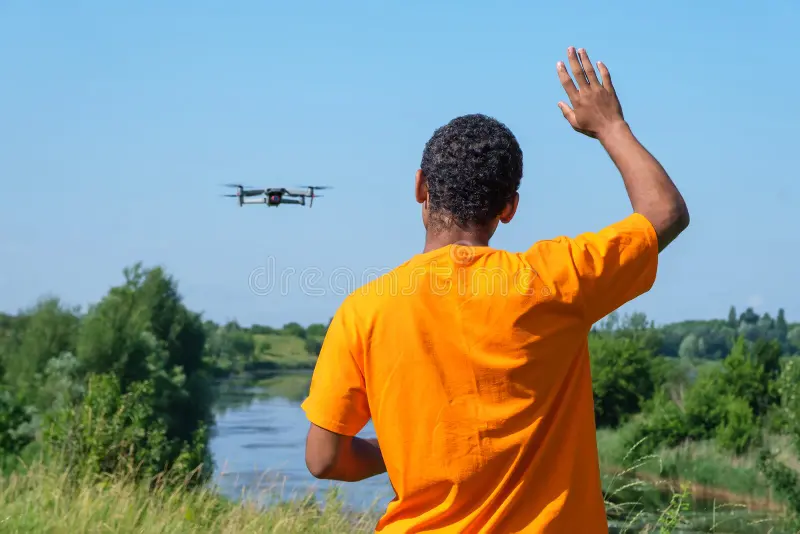
Drone technology is rapidly transforming industries around the world, and the Caribbean should ensure our young people are prepared for the opportunities ahead. Introducing drone education in high schools can help students develop valuable technical skills while inspiring interest in science, technology, engineering, and mathematics (STEM).
Learning to fly drones teaches far more than piloting. Students gain experience in problem-solving, spatial awareness, data collection, photography, mapping, coding, and aviation safety. These skills are increasingly relevant to modern careers in agriculture, environmental management, construction, surveying, emergency response, filmmaking, and logistics.
For Caribbean nations, drone training is particularly valuable. Drones are already being used to monitor coastlines, inspect infrastructure, assess hurricane damage, and support agricultural productivity. By exposing students to these technologies early, schools can create a pipeline of skilled professionals capable of supporting national development and technological innovation.
Governments can play a critical role in making drone education accessible. Ministries of Education can introduce drone programmes as part of STEM curricula, while aviation authorities can develop age-appropriate certification pathways and safety guidelines. Funding grants could help schools acquire training drones, simulators, and supporting equipment.
Partnerships between schools, universities, drone service providers, and community organisations can further strengthen these initiatives. Competitions, drone clubs, and innovation challenges can encourage practical learning and entrepreneurship among students.
Teaching drone flying in Caribbean high schools is an investment in the future. It equips young people with relevant skills, supports emerging industries, and helps ensure the region remains competitive in an increasingly technology-driven global economy.