
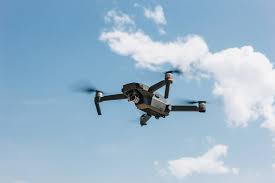
The concept of a ‘drone wall’ encircling the Caribbean may sound like a bold defence strategy, but it’s wildly impractical. With many islands scattered across vast maritime space, the logistics of building and maintaining a continuous aerial barrier are staggering. Unlike landlocked regions with defined borders, the Caribbean’s open skies and fluid airspace make a regional perimeter control nearly impossible.
Denmark, a compact, well-resourced nation, struggled to contain drone incursions at its airports, despite advanced surveillance. Caribbean states, many with limited defence budgets and decentralised aviation infrastructure, would face far greater challenges. A drone wall would require constant radar coverage, real-time threat detection, and coordinated response systems across multiple jurisdictions,an operational and financial burden few can bear.
What’s practical instead are considerations for the following solutions.
Geo-fencing and digital no-fly zones: These GPS-based restrictions can automatically disable UAVs near airports and sensitive sites.
Portable counter-UAV units: Mobile jammers and detection systems can be deployed during high-risk periods or events.
Regional coordination: CARICOM-led frameworks for UAV regulation, intelligence sharing, and emergency response can strengthen collective resilience.
Public awareness and user licensing: Educating UAV users and enforcing penalties for violations is a low-cost, high-impact deterrent.
In conclusion, in the Caribbean, we should invest in modular, scalable solutions that reflect their geography and resources. A drone wall may sound secure, but smart, layered defences are what stand a better chance of protecting Caribbean skies.
