
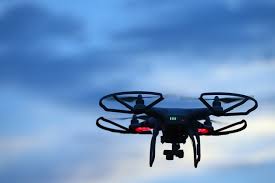
The U.S. Federal Communications Commission (FCC) has announced a ban on the sale of new foreign-made UAVs, citing national security concerns. The decision primarily affects Chinese manufacturers such as DJI, which dominate the global drone market. The FCC argues that foreign UAVs could pose risks by transmitting sensitive data to overseas servers, making them unsuitable for use in critical U.S. infrastructure and government projects.
While the ruling directly impacts the United States, its ripple effects may extend into the Caribbean. Many Caribbean institutions and agencies depend on affordable UAVs sourced through U.S. distributors. These UAVs are vital for areas such as cinematography, infrastructure inspections and more. With U.S. imports restricted, Caribbean buyers may face higher costs and reduced availability of new models.
The ban could also influence procurement policies in the region. Caribbean governments and organisations that collaborate with U.S. agencies may be pressured to align with American security standards, discouraging reliance on Chinese-made UAVs. This shift could create operational challenges but also open opportunities for diversification. European, Canadian, and emerging regional manufacturers may step in to fill the gap, while Caribbean businesses could explore innovation or adaptation of drone technologies.
Ultimately, the FCC’s move underscores the growing intersection of technology and geopolitics. For the Caribbean, the challenge will be balancing affordability with compliance, ensuring that drone adoption continues to support agriculture, disaster resilience, and innovation without being derailed by global security tensions.
