
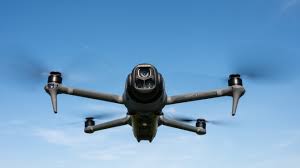
The UAV industry in 2026 is expected to undergo a major transformation, driven by AI-powered autonomy, stricter regulations, and expanding commercial applications across agriculture, infrastructure, and emergency response. Analysts forecast UAVs shifting from simple observation tools to predictive and preventive systems, reshaping industries worldwide.
Here are the trends to watch in 2026.
- Market Growth – The global commercial drone market, valued at USD 38.2 billion in 2025, is projected to reach nearly USD 190 billion by 2034, with 2026 marking a pivotal acceleration. Demand is rising for enterprise-scale drone fleets, particularly in energy, construction, and logistics.
- AI and Autonomy – AI-driven data analysis will allow drones to move beyond capturing images to predicting risks and automating inspections. Beyond Visual Line of Sight (BVLOS) operations are expanding, enabling drones to cover longer distances without direct pilot oversight. Autonomy will reduce costs and improve safety in industries such as oil and gas, utilities, and disaster response.
- Regulation and Compliance – Remote ID rules and emerging airspace management systems are reshaping how drones integrate into national aviation frameworks. The United States’ FCC recent ban on foreign-made UAVs highlights growing geopolitical and security concerns, pushing companies to diversify suppliers.
In conclusion, 2026 is widely seen as an inflection point for the UAV industry. Companies that embrace AI, comply with evolving regulations, and diversify supply chains will be best positioned to thrive. For regions like the Caribbean, these trends highlight both challenges, such as higher costs and opportunities to ‘innovate’ with locally adapted UAV solutions. In a future article we will discuss this as a potential reality.
