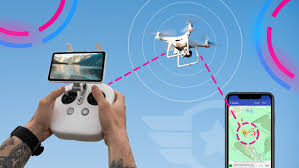
Remote ID, often described as a “digital license plate” for drones, is becoming a cornerstone of safe and regulated UAV operations worldwide. For the Caribbean, where drones are increasingly used in agriculture, disaster response, tourism, and infrastructure monitoring, Remote ID offers both practical and strategic value.
By broadcasting a drone’s identity and location in real time, Remote ID enhances airspace safety, ensuring that authorities and other operators can identify drones during flight. This is particularly important in the Caribbean, where densely populated urban areas and sensitive coastal zones require careful management of aerial activity. Remote ID also builds public trust, reassuring communities that drones are being flown responsibly and within legal frameworks.
For industries, the technology opens doors to advanced applications. Farmers can integrate Remote ID-enabled drones into precision agriculture programs without fear of regulatory setbacks. Emergency services can deploy UAVs for hurricane damage assessments while maintaining compliance. Tourism operators can use drones for marketing and event coverage, confident that their flights meet international standards.
Perhaps most importantly, Remote ID positions Caribbean nations to align with global aviation policies, making cross-border drone operations smoother and attracting investment from international partners. While implementation requires infrastructure and training, the long-term benefits—safer skies, stronger regulation, and expanded opportunities—make Remote ID a vital step in embedding drones into the region’s GIS and economic ecosystem.