
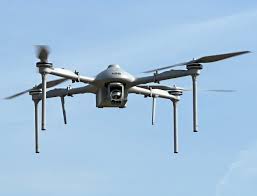
A recent Searchlight report has intensified regional concern over the growing presence of foreign military operations in Caribbean waters. According to Commander Deon Henry of the St. Vincent and the Grenadines Coast Guard (SVGCG), local fishers operating near Fish Aggregating Devices (FADs) were close to a U.S. military drone strike that allegedly killed three St. Lucians on February 13, 2026. The strike occurred approximately 45 miles southeast of mainland St. Vincent and 32 miles east of Canouan, squarely within the nation’s Exclusive Economic Zone (EEZ).
Commander Henry confirmed that U.S. Southern Command publicly acknowledged carrying out the lethal drone strike through posts on social media later that evening. Fishermen present in the area witnessed the strike first hand, observing a vessel being hit near established FADs commonly used by Vincentian fishers. The Coast Guard is now urging seafarers to report unusual marine activity, particularly go-fast boats or high‑powered pirogues often linked to narcotics trafficking.
Additional regional reporting provides broader context for the incident. St. Vincent authorities have verified that the vessel was struck by a missile and was transiting along a known narco‑trafficking route. U.S. Southern Command stated that intelligence linked the targeted vessel to designated terrorist organizations, confirming that three individuals were killed while no U.S. personnel were harmed. Meanwhile, St. Lucia’s Prime Minister expressed concern that his government received no formal notification of the operation, highlighting long‑standing diplomatic friction in how foreign military actions are communicated to Caribbean states.
As geopolitical tensions evolve, Caribbean nationals must become more informed and vigilant. Commander Henry stressed basic but vital safety procedures: filing float plans, communicating expected return times, wearing bright colors for visibility, and maintaining consistent contact with the Coast Guard. These steps help authorities account for fishers during high‑risk situations and improve their ability to distinguish civilian vessels from suspicious ones.
Awareness also depends on staying connected to credible information sources. Caribbean citizens can monitor:
Secondly, public education is essential. Community groups, schools, and local media can work together to raise awareness about drone behaviour, maritime surveillance patterns, and how foreign operations intersect with local livelihoods. For Caribbean nationals whose work and travel depend on the sea, staying informed, vigilant, and civically engaged is becoming a necessary part of safeguarding regional waters and personal safety.
Reference
- https://www.searchlight.vc/news/2026/02/27/local-fishers-close-drone-strike-commander-deon-henry/
- dronedj.com
- money.usnews.com
- dailycameranews.com
