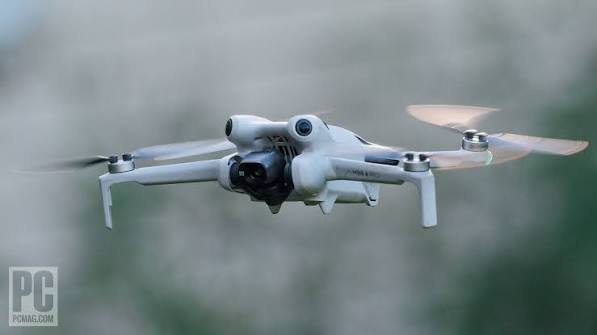
Flying unmanned aerial vehicles (UAVs), more commonly known as drones, has become an essential part of modern life, powering everything from aerial photography and construction surveys to agriculture and emergency response. But as drones become more widespread, so does the responsibility of flying them safely and legally. In the USA, the Federal Aviation Administration (FAA) emphasizes that drone safety is not optional, it’s the law, and all operators benefit from understanding and following established safety guidelines.
A core principle of UAV safety is ensuring that drones are flown in ways that protect people, property, and other aircraft. The FAA’s regulatory frameworks, especially Part 107 for commercial operations and the rules for recreational flyers—provide a backbone for safe and responsible drone use. These rules exist to maintain order in increasingly crowded airspace while enabling creativity and innovation. the following are four critical UAV safety rules every pilot must follow.
Maintain Visual Line of Sight (VLOS) – Most drone operations require the pilot to keep the aircraft within visual range at all times. Under FAA Part 107, drones must be flown within the operator’s direct line of sight to prevent collisions and maintain situational awareness.
Respect the 400‑Foot Altitude Limit – To avoid interfering with manned aircraft, the FAA restricts drones to a maximum altitude of 400 feet above ground level in most scenarios, unless flying within 400 feet of a structure.
Register Your Drone and Comply With Remote ID Requirements – Drones weighing 0.55 lbs (250 g) or more must be registered, and most must broadcast identification information via Remote ID—a digital “license plate” that supports safety and accountability in national airspace.
Stay Out of Restricted or Controlled Airspace Without Authorization – UAV pilots must avoid flying near airports, military bases, and sensitive infrastructure unless they receive proper FAA authorization, often through systems like LAANC. Many restricted zones are in place to protect national security and prevent dangerous encounters.
Following safety rules doesn’t just protect pilots from fines or penalties—it protects lives. As drone technology advances, responsible flight is the key to preserving public trust and ensuring UAVs remain a powerful tool rather than a hazard. Whether flying for fun or business, safety must always come first.